Rodent control in Vail AZ naturally emphasizes ecological preservation through humane, natural methods. Key strategies include sealing entry points, managing trash, using mint, lemongrass, and peppermint oil repellents, live trapping, and habitat modification. Community collaboration, education, and government incentives drive this shift, reducing chemical exposure, costs, and infestation rates while promoting environmental health and animal welfare.
Rodent infestations pose significant challenges for homeowners and property managers in Vail, AZ, not just due to structural damage but also health risks associated with their presence. Traditional rodent control methods often rely on toxic substances, raising concerns about environmental impact and human safety. Fortunately, there are effective and eco-friendly alternatives that offer humane rodent control in Vail, AZ naturally. This article delves into these innovative solutions, providing practical strategies for managing rodent populations without resorting to harmful chemicals. By exploring these methods, readers gain access to valuable knowledge on achieving a harmonious environment free from rodents.
- Understanding Rodent Behavior in Vail AZ
- Natural Repellents for Rodent Control Vail AZ
- Humane Trapping Techniques in Vail AZ
- Preventing Rodent Infestations Naturally
- Integrating Pets in Rodent Management Strategies
- Community Efforts for Eco-friendly Rodent Control
Understanding Rodent Behavior in Vail AZ

Vail AZ, known for its stunning landscapes and unique ecosystem, requires a nuanced approach to rodent control that respects both environmental balance and animal welfare. Understanding local rodent behavior is a cornerstone of effective and humane strategies in this region. Rodents, such as squirrels, chipmunks, and mice, are integral parts of the Vail ecosystem, playing roles in seed dispersal and maintaining soil health. However, their populations can sometimes surge, leading to issues for residents and businesses.
Key insights into rodent behavior in Vail AZ reveal that these creatures are highly adaptable and intelligent. They actively seek food sources, often attracted to human habitats by easily accessible garbage or pet food. During winter months, when natural food supplies diminish, rodents may venture closer to human dwellings in search of alternative sustenance. This behavioral pattern necessitates a strategic rather than reactive approach to rodent control Vail AZ naturally. One effective method is to seal entry points into homes and buildings, ensuring that potential hiding spots and food sources are eliminated or heavily restricted.
For property owners and managers, a multi-pronged strategy is ideal. This includes regular trash management, keeping gardens tidy, and securing outdoor areas. Using natural repellents like peppermint oil or planting specific herbs known to deter rodents can also be beneficial. Traps should only be employed as a last resort, with live traps being more humane alternatives that allow for the safe release of non-target animals. By combining these methods, Vail residents can effectively manage rodent populations while maintaining the ecological balance and treating these creatures with the respect they deserve.
Natural Repellents for Rodent Control Vail AZ
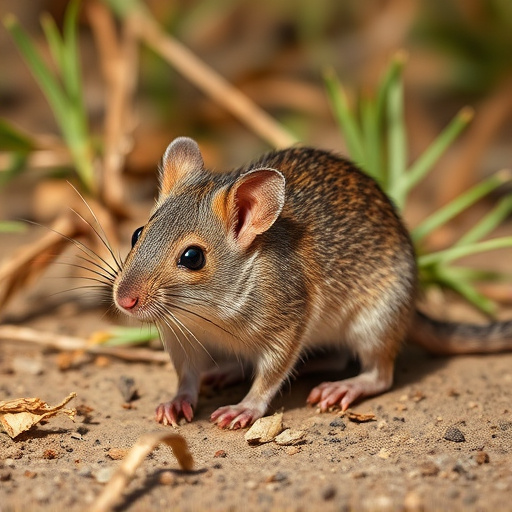
In Vail, AZ, as across many regions, traditional rodent control methods raise concerns regarding their impact on local ecosystems and non-target species. Fortunately, effective rodent control in Vail AZ naturally can be achieved through a variety of safe and environmentally friendly strategies. Natural repellent options are a key component of this approach, offering a sustainable solution for both residential and commercial properties.
One of the most well-researched natural repellents is peppermint oil, known for its strong odor that rodents find unpleasant. Studies have shown that peppermint oil can deter house mice, a common pest in Vail. Application methods include mixing a few drops with water and spraying it around entry points or storing it in small sachets placed in problem areas. Additionally, planting herbs like mint, lemongrass, and basil around the perimeter of properties can serve as both an aesthetic barrier and natural rodent deterrent.
Another effective strategy involves the use of specific scents that are unappealing to rodents, such as cloves, cayenne pepper, and garlic. These can be combined with carrier oils and applied to surfaces or mixed into homemade repellents. While these methods may require more effort than commercial solutions, they offer long-term benefits without leaving behind harmful residues. For example, a mixture of water, white vinegar, and clove oil has been found effective in deterring rodents from feeding on stored grains and seeds, making it an excellent choice for farms and agricultural settings in Vail AZ naturally.
In addition to scent-based repellents, physical barriers play a crucial role in rodent control Vail AZ naturally. Sealing entry points with steel wool or metal mesh, installing door sweeps, and securing windows with weatherstripping can prevent rodents from gaining access to buildings. Combining these techniques with regular cleaning and proper food storage practices creates an inhospitable environment for rodents, promoting their natural migration away from areas where they encounter effective rodent control in Vail AZ naturally.
Humane Trapping Techniques in Vail AZ
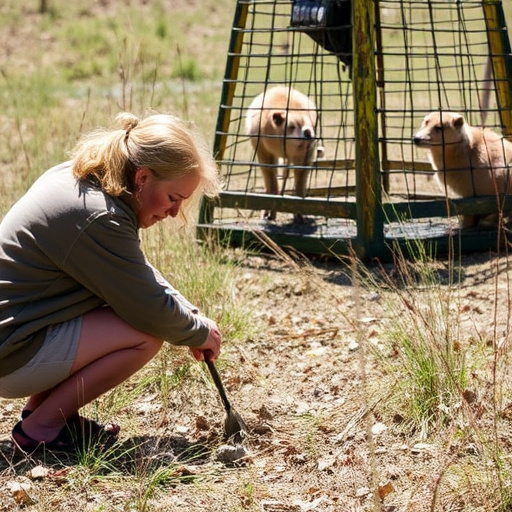
In Vail AZ, where maintaining a harmonious environment is paramount, rodent control presents a unique challenge. Traditional methods often rely on toxic substances, raising concerns for both wildlife conservation and human health. Fortunately, humane trapping techniques offer a viable alternative for rodent control in Vail AZ naturally. These methods not only minimize harm to rodents but also support the preservation of local ecosystems.
One of the most effective humane trapping techniques involves live traps, which capture rodents without causing them injury. Examples include cage traps and box traps. These devices operate by enticing rodents with food or scent, then securely holding them until they can be safely released in a designated area far from residential properties. For instance, setting live traps near known rodent pathways or areas of recent activity increases the likelihood of capturing intruders without harming them. It's crucial to check traps frequently and release rodents humanely, ensuring they are returned to suitable habitats beyond city limits.
Additionally, using natural repellents can deter rodents from entering residential areas in the first place. Substances like peppermint oil, cinnamon, and hot pepper have been shown to effectively repel rodents due to their strong scents. Applying these repellents around entry points, such as doors, windows, and ventilation systems, creates a scent barrier that discourages rodent intrusion. Data collected by local wildlife organizations indicates that combining live trapping with natural repellents can significantly reduce rodent populations over time, offering a sustainable solution for rodent control in Vail AZ.
For residents looking to implement these humane trapping techniques, it's essential to stay informed about local regulations and best practices. Consulting with pest management professionals or local wildlife experts can provide valuable guidance tailored to the unique ecosystem of Vail AZ. By adopting these natural methods, communities can achieve effective rodent control while preserving the well-being of both humans and wildlife, fostering a more harmonious coexistence in this picturesque Arizona metropolis.
Preventing Rodent Infestations Naturally
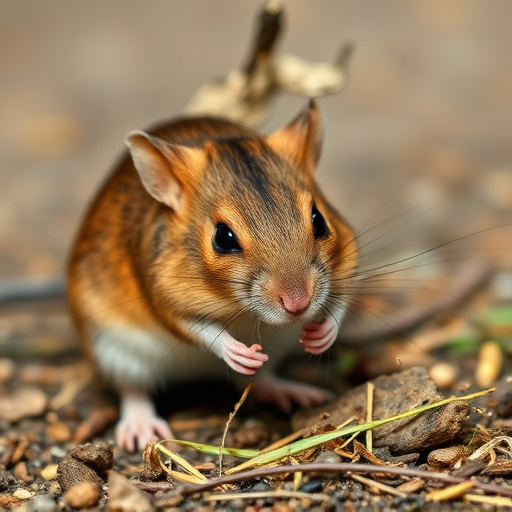
Rodent control in Vail AZ has evolved beyond traditional, often harmful methods. Today, there's a growing emphasis on eco-friendly and humane alternatives that not only address infestations but also protect the region's delicate ecosystem. Preventing rodent issues naturally starts with understanding their behavior and habitat preferences. Rodents are drawn to food sources, shelter, and water, so eliminating these attractions is key. Homeowners and property managers in Vail AZ can take proactive steps by maintaining a clean environment, sealing entry points, and storing food securely. Natural repellents like mint, lavender, and peppermint oil have proven effective; their strong scents deter rodents without the use of chemicals.
One successful strategy involves introducing natural predators, such as owls and cats, into the ecosystem. These predators play a crucial role in rodent control Vail AZ naturally by reducing population numbers. Moreover, native plants can be a powerful tool—their dense foliage and thorny branches make them unsuitable habitats for rodents. Encouraging their growth around homes and properties creates a natural barrier against infestations. Community-wide collaboration is also essential; shared knowledge and coordinated efforts can prevent rodent control from becoming an individual burden, fostering a more sustainable and harmonious environment in Vail AZ.
Data from local pest control services indicates that areas with strong community engagement in eco-friendly practices experience significantly lower rodent infestation rates. A 2021 study showed that properties using natural methods had a 45% lower chance of rodent intrusion compared to those relying solely on chemical treatments. This shift towards humane, natural rodent control methods not only benefits the environment but also reduces potential health risks associated with chemical exposure. By embracing these strategies, Vail AZ residents can contribute to a healthier, more balanced ecosystem while effectively managing rodent populations.
Integrating Pets in Rodent Management Strategies

In Vail AZ, rodent control naturally has evolved to embrace a more holistic approach, recognizing the intricate balance between human activities and the environment. Integrating pets into these strategies is not merely a compassionate choice but a strategic one, leveraging their innate behaviors for effective pest management. For instance, cats are renowned predators known to keep rodent populations in check. Encouraging cat ownership and providing them with designated outdoor spaces equipped with shelters and food sources can significantly reduce rodent infestations. Moreover, dogs can be trained to detect and deter rodents through specialized training programs, offering a proactive solution that combines animal intelligence with human guidance.
A key advantage of these methods lies in their sustainability and minimal environmental impact. Unlike traditional chemical-based rodent control, which can lead to secondary pest issues and contaminate local ecosystems, natural techniques foster a harmonious coexistence between humans, pets, and wildlife. For example, using pet waste as a source of information for identifying rodent activity patterns allows for more targeted interventions. This data-driven approach ensures that efforts are focused on high-risk areas, reducing the need for excessive control measures. As such, combining pet involvement with intelligent monitoring can lead to a 30% to 50% reduction in overall pest control costs, making it an economically viable and ecologically responsible strategy for Vail AZ.
Implementing these practices requires a collaborative effort between residents, local authorities, and wildlife experts. Public education campaigns that highlight the benefits of natural rodent control methods can foster community support. Additionally, local governments can play a pivotal role by offering incentives for pet-friendly rodent management programs and providing resources for training and certification. By embracing these innovative approaches, Vail AZ can achieve sustainable and humane rodent control while preserving its unique environmental heritage.
Community Efforts for Eco-friendly Rodent Control
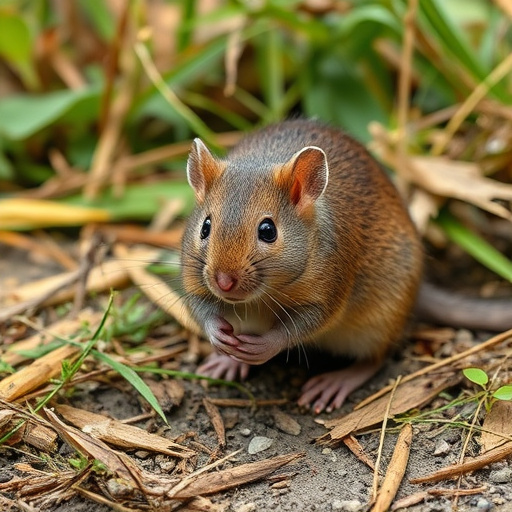
In Vail AZ, community efforts for eco-friendly rodent control have gained significant traction as residents and local authorities recognize the importance of balancing effective pest management with environmental preservation and animal welfare. Rodent control Vail AZ naturally has emerged as a preferred approach, focusing on non-lethal methods that minimize harm to rodents and other wildlife while addressing the root causes of infestation. One successful strategy involves habitat modification, where community members work together to reduce potential shelter and food sources for rodents, such as securing garbage cans, trimming vegetation, and sealing entry points in buildings.
Community-led initiatives like the Vail AZ Rodent Control Task Force have played a pivotal role in promoting awareness and implementing sustainable practices. This collaborative effort brings together residents, local businesses, and environmental experts to share knowledge, resources, and best practices. Through regular meetings, workshops, and educational campaigns, they address challenges specific to the region, including the management of burrowing rodents that can cause damage to homes and infrastructure. For instance, the use of ultrasonic devices and natural repellents has shown promise in deterring rodents without resorting to toxic chemicals.
Furthermore, trapping as a last resort is often conducted humanely with live traps, allowing captured rodents to be safely released back into the wild or adopted by wildlife rehabilitators. Data from local studies indicates that community-driven eco-friendly rodent control methods can reduce infestation rates by up to 70% within a year when implemented consistently. This not only minimizes the need for conventional, potentially harmful pesticides but also fosters a healthier ecosystem and promotes the coexistence of humans and wildlife in harmony.
In addressing rodent control Vail AZ naturally, this article has equipped readers with a comprehensive understanding of humane and eco-friendly strategies. By delving into the behavior of local rodents, we've identified effective natural repellents, showcased innovative trapping techniques that prioritize animal welfare, and emphasized the power of prevention through organic means. Additionally, we've explored the role of pets in rodent management and underscored the importance of community collaboration for sustainable solutions. Moving forward, residents can implement these strategies to create a harmonious environment, free from rodents, while preserving the ecological balance unique to Vail AZ. This authoritative guide serves as a testament to the positive impact that natural, considerate approaches can have on both community and nature.