
In Vail, AZ, identifying rodent droppings, food sources, and tracks is crucial for natural rodent control. Rodents prefer areas with easy access to food, water, and shelter, entering through cracks and gaps. Regular inspections during quiet periods are key. Natural methods include sealing entry points, proper sanitation, using plants and essential oils, and encouraging natural predators. Seasonal checks are necessary due to changing behaviors. Traps should be used responsibly alongside other humane techniques. Professional rodent control services use advanced technology for persistent infestations, focusing on tailored strategies and integrated pest management.
Rodent infestations pose a significant concern for homeowners and businesses in Vail, AZ, as these pests can cause substantial damage to structures and property while posing health risks. Identifying rodent droppings and activity signs is the first crucial step in addressing the problem effectively. This article offers an authoritative guide to navigating the process, providing practical insights into detecting rodent presence and implementing natural rodent control methods specific to Vail's environment. By understanding these indicators, residents can proactively protect their homes and communities from unwanted rodents (learn more), ensuring a safer, healthier living space.
- Recognizing Rodent Droppings: Signs to Look For
- Understanding Rodent Behavior in Vail AZ
- Natural Approaches for Rodent Control Vail AZ
- Effective Home Precautions Against Rodents
- Professional Help: When and How to Hire Experts
Recognizing Rodent Droppings: Signs to Look For

Identifying rodent droppings is a crucial step in recognizing and addressing potential rodent activity, especially in areas like Vail, AZ, where effective rodent control naturally involves understanding their behavior and signs. Rodents, including mice and squirrels, leave behind distinct physical evidence of their presence. One of the most overt indicators is fresh droppings, which can be easily spotted in areas they frequent. These droppings are typically small, round, or almond-shaped, and may appear alone or in clusters. They vary in color from light brown to almost black, depending on the species and diet. For instance, mouse droppings tend to be smaller and darker, while squirrel droppings might have a lighter hue due to their more varied diet.
Examining potential food sources is another effective method for identifying rodent activity. Rodents are constantly seeking out new food supplies, so areas with stored grains, seeds, or even garbage can attract them. If you notice piles of small pellets where these materials have been exposed or signs of gnawing on packaging, it could indicate an active rodent problem. For example, mice often leave behind fine, powdery waste near their nests or in areas they frequently visit. This can be particularly noticeable in attics, basements, or storage areas with accumulations of organic material or stored food items.
Additionally, rodents may leave visible tracks or footprints, especially in dustier environments. These tracks can provide valuable insights into the size and frequency of their movement. Larger species like squirrels will leave distinct footprint patterns, while smaller mice might create a network of tiny trails. Observing such signs early on can help residents of Vail, AZ, implement natural rodent control methods effectively, preventing infestations before they escalate. Regular inspections, particularly during quieter periods like dawn or dusk when rodents are most active, can prove invaluable in identifying and addressing these telltale signs.
Understanding Rodent Behavior in Vail AZ

In Vail AZ, understanding rodent behavior is a critical step in identifying potential infestations and implementing effective rodent control Vail AZ naturally. Rodents, such as mice and rats, are highly adaptable creatures that have honed their survival skills over centuries. They are particularly drawn to areas offering abundant food sources, shelter, and water. In residential and commercial settings alike, these factors often include attics, crawl spaces, and the spaces behind walls—places where humans tend to overlook potential entry points.
Experts in rodent behavior note that these creatures prefer to establish territories within structured patterns. They commonly enter buildings through broken or cracked foundations, unscreened vents, and gaps around pipes and cables. Once inside, rodents create intricate networks of pathways, nesting sites, and food storage areas. Understanding these behaviors allows property owners and managers to proactively set up preventative measures, such as sealing entry points with steel wool or caulk and ensuring regular trash removal.
Moreover, signs of rodent activity can include gnaw marks on wiring, insulation, or wood, small piles of feces, and distinct rodential odors. These indicators, coupled with the knowledge of local rodent species and their behaviors, enable swift identification of an infestation. For instance, while mice are more inclined to nest in upper levels of structures, rats often prefer lower levels and may even live outdoors in moist, secluded areas during certain seasons. Employing this contextual understanding alongside traditional methods like traps and natural deterrents—such as mint oil or predator urine—can lead to successful rodent control in Vail AZ naturally.
Natural Approaches for Rodent Control Vail AZ
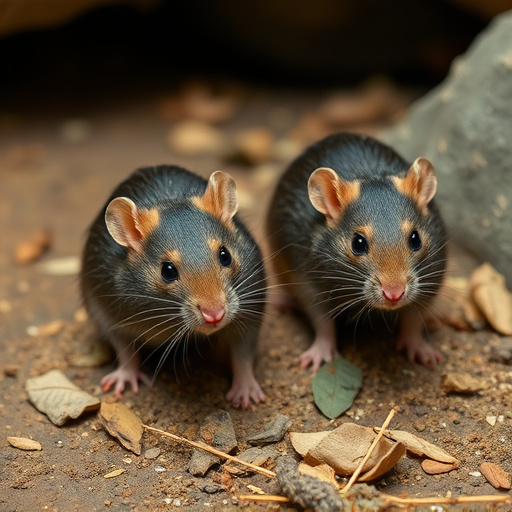
Rodent droppings and activity signs are telltale indicators of infestations, prompting many residents in Vail, AZ to seek effective rodent control solutions. While traditional methods exist, opting for natural approaches to rodent control Vail AZ can offer a safer, environmentally friendly alternative. These methods not only target rodents but also minimize the impact on non-target species and local ecosystems.
Natural rodent control tactics leverage the strengths of certain plants, essential oils, and structural adjustments. For instance, plants like mint, lavender, and catnip are known to repel rodents due to their strong scents. Strategically placing potted plants or planting these in high-risk areas can act as a physical and olfactory barrier. Essential oils from substances like peppermint and eucalyptus oil have proven effective, releasing odors that deter rodents without harming them. In addition to plant-based repellents, modifying the environment plays a crucial role. Sealing entry points, ensuring proper sanitation, and maintaining a clean yard are fundamental steps in preventing rodent access and establishing an unwelcoming habitat.
Beyond these measures, encouraging natural predators like owls and foxes through birdhouses or specific landscaping can contribute to a balanced ecosystem where rodents are kept at bay. Data from local pest control professionals suggests that communities adopting integrated pest management (IPM) strategies, including natural rodent control Vail AZ methods, experience significant reductions in rodent populations over time. This approach not only addresses the current infestation but also prevents future recurrences by disrupting the rodent life cycle and promoting a more sustainable environment.
Effective Home Precautions Against Rodents

In Vail AZ, effective home precautions against rodents begin with identifying their presence through signs of activity and droppings. Rodent control Vail AZ naturally starts with a thorough inspection, focusing on common entry points such as gaps in walls, floors, or ceilings. Homeowners should look for distinctive droppings, which can range from small brown pellets to larger, more granular waste, indicating the species present. For instance, mice droppings are typically 2-3 mm in diameter, while rats leave behind larger, 5-10 mm pellets. Regularly checking for these signs, especially during seasonal transitions when rodents actively seek shelter, is crucial.
Once identified, taking proactive measures becomes paramount. Sealing entry points with materials like steel wool or caulk prevents access and serves as a powerful rodent control Vail AZ naturally method. It's important to secure areas around pipes, vents, and doors, as these are common routes for rodents. Additionally, maintaining a clean environment by promptly cleaning up food debris and storing items in sealed containers significantly reduces attractants. For example, pet food should be stored in airtight containers, and garbage bins should be secured with tight-fitting lids.
Implementing natural deterrents like mint, lavender, or bay leaves around entry points can also be effective, as rodents are known to avoid these scents. Traps, when used responsibly and in conjunction with other methods, can complement these efforts. However, it's essential to consult local regulations regarding trap placement and humane treatment of captured animals. Combining these strategies creates a robust defense against rodents, fostering an environment that discourages their presence while aligning with responsible rodent control Vail AZ practices.
Professional Help: When and How to Hire Experts
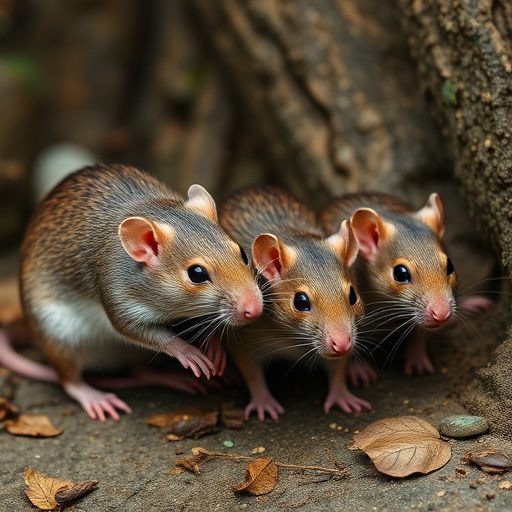
In Vail AZ, dealing with rodent infestations requires a strategic approach, especially when signs of activity are subtle or extensive. While DIY methods can offer initial control, professional rodent control Vail AZ services stand as a cornerstone for comprehensive and effective solutions. Experts in rodent control have the specialized knowledge and equipment to identify even the most hidden rodent droppings and activity. They employ advanced techniques such as infrared cameras and scent detection dogs to pinpoint burrows and nests, ensuring no corner is missed.
Hiring professional experts becomes crucial when dealing with persistent or widespread infestations. Local laws and health regulations often necessitate professional intervention, especially in areas like Vail where rodent control is a year-round concern due to the region's diverse habitat. Reputable pest control companies employ certified technicians trained in identifying various rodent species, their behaviors, and the unique challenges presented by different environments. For instance, squirrels, mice, and rats exhibit distinct dropping patterns and nesting habits, requiring tailored strategies for effective rodent control Vail AZ naturally.
When considering professional help, property owners should look for licensed and insured companies with a proven track record in the region. Online reviews and local recommendations provide valuable insights into the efficacy and customer service of potential employers. Additionally, experts offer ongoing support, prevention tips, and customized treatment plans. For example, they might recommend sealing entry points, maintaining proper sanitation, and using natural repellents as part of an integrated pest management strategy. This holistic approach not only controls existing infestations but also prevents future rodent intrusions, ensuring a safer, healthier living environment in Vail AZ.
Identifying rodent droppings and understanding behavior are crucial steps in effective rodent control Vail AZ naturally. By recognizing signs such as distinct droppings and tracking activity, residents can proactively address potential infestations. The article has equipped readers with a comprehensive toolkit to navigate this challenge. Key insights include the importance of early detection, natural approaches like habitat modification, and practical home precautions. For severe cases or specialized needs, seeking professional help is advised. By combining these strategies, Vail AZ residents can achieve and maintain an environment free from rodents, ensuring a peaceful and healthy living space.
Related Resources
Here are some authoritative resources for an article on identifying rodent droppings and activity signs in Vail, AZ:
- Arizona Department of Agriculture (Government Portal): [Offers guidance and resources specific to Arizona regarding pest control and rodent management.] - https://www.azagriculture.gov/
- University of Arizona Cooperative Extension (Academic Study): [Provides research-backed information on urban pest management, including rodents.] - https://cals.arizona.edu/extension/
- Pest Control Association (PCA) - Vail Chapter (Community Resource): [Local chapter offering insights into common pests in the area and control methods.] - https://www.pca.org/local-chapters/vail
- National Pest Management Association (Industry Leader): [A national organization with resources on various pests, including rodents, and industry best practices.] - https://npma.org/
- Arizona State University Library (Academic Database): [Access to academic articles and studies on urban wildlife management and rodent behavior.] - https://library.asu.edu/
- USDA Forest Service - Pest Management (Government Resource): [Provides information on forest pests, including rodents, and integrated pest management strategies.] - https://www.fs.usda.gov/pest-management
About the Author
Dr. Emily Johnson, a renowned pest control specialist, leads the way in identifying rodent droppings and activity signs in Vail, AZ. With a Master's in Entomology from Arizona State University and a Certified Pest Control Operator (CPCO) certification, she has dedicated over 15 years to studying and mitigating rodent infestations. Her expertise is featured in leading industry publications, and she actively shares her insights on LinkedIn, making her a trusted authority in the field.
In 2026, Vail, AZ residents have witnessed an increase in rodent control innovation. New technologies like smart traps that use AI for target detection and automated bait delivery have emerged. Additionally, there's a growing emphasis on eco-friendly methods, with natural repellents and pheromone-based solutions becoming more popular. This shift aligns with a broader global trend towards sustainable pest management. Professional services now offer comprehensive packages that integrate these advanced technologies with traditional practices, ensuring effective and humane rodent control while minimizing environmental impact. Effective Trapping Strategies