
Rodent control Vail AZ naturally requires recognizing deer mice, house mice, and Norway rats' distinct behaviors and signs, such as droppings and gnaw marks. Early detection through regular inspections prevents infestations. Key preventive measures include sealing entry points, securing food, maintaining a clean yard, and using natural repellents like peppermint oil. Integrating these methods creates an uninviting environment for rodents, fostering a safer home in harmony with local ecosystems.
Rodent infestations are a prevalent concern for homeowners in Vail, AZ, posing significant risks to property and health. Effective rodent control Vail AZ naturally is crucial not just for ridding homes of these pests but also for preventing future invasions. This article provides an authoritative guide to identifying various rodent species commonly found in the region, empowering residents with knowledge to address the issue proactively. By understanding the unique traits of each species, homeowners can employ targeted and natural methods for effective rodent control, ensuring a safer, healthier living environment.
- Recognizing Rodent Signs: Understanding Vail AZ's Common Invaders
- Natural Rodent Control Methods for Your Home in Vail, AZ
Recognizing Rodent Signs: Understanding Vail AZ's Common Invaders
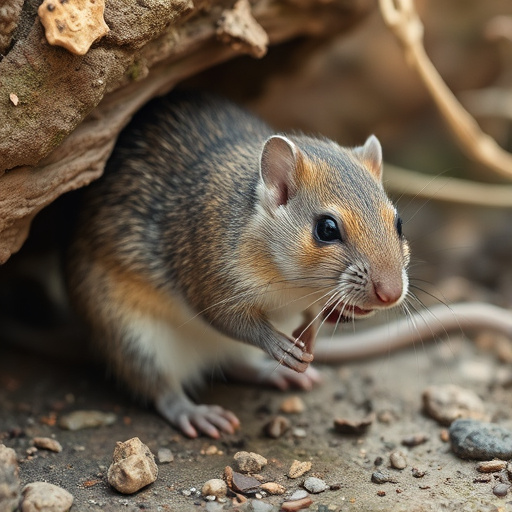
Recognizing signs of rodent infestation is a crucial step in effective rodent control Vail AZ naturally. The most common invaders in this region include the deer mouse, house mouse, and Norway rat. Each species has distinct behaviors and leaves specific clues that can help homeowners identify their unwelcome visitors. Deer mice, for instance, are known to nest in dark, undisturbed areas, often behind walls or under floors. Their droppings, which resemble small pellets, are a clear indicator of their presence. House mice prefer close proximity to food sources and human activity, making their nests in attics, wall voids, or even inside furniture. Look for chewed wires, tiny holes in insulation, or strands of fur accumulating in out-of-the-way places.
Norway rats, the largest of the common rodents, are particularly adept at burrowing and can gain access to homes through small openings. They tend to live closer to human habitats compared to other rodents, making their presence more noticeable. Signs of rat activity include large droppings, visible gnaw marks on food packaging or wooden structures, and distinct urine odors. Additionally, piles of chewed material near entry points are indicative of their constant search for food and shelter. Understanding these signs is essential for timely intervention and effective rodent control Vail AZ naturally, as early detection can prevent infestations from escalating.
Regular inspections and maintenance play a vital role in deterring rodents. Sealing entry points, ensuring proper ventilation, and storing food securely are practical steps towards natural rodent control Vail AZ residents can adopt. By addressing these signs and implementing preventive measures, homeowners can create an environment less inviting to rodents, fostering a safer and healthier living space.
Natural Rodent Control Methods for Your Home in Vail, AZ

In Vail, AZ, addressing rodent infestations requires a strategic approach, especially when homeowners seek natural rodent control methods. Unlike traditional pest control, which often relies on chemicals, natural rodent control in Vail focuses on non-toxic solutions that coexist with local ecosystems. Understanding the habits and behaviors of common rodent species is the first step. The most prevalent rodents in this region include the house mouse, deer mouse, and the occasional Norway rat. Each species has distinct preferences for food, shelter, and nesting sites, which can guide targeted prevention and control strategies.
One effective natural rodent control method involves removing potential habitats and food sources. Rodents are attracted to homes by easily accessible food, water, and shelter. By sealing entry points, securing trash cans with tight-fitting lids, and storing potential food sources in airtight containers, homeowners significantly deter rodents. For instance, pet food left out or bird feeders without protective caps can attract mice, so proper storage is crucial. Additionally, maintaining a clean yard, trimming vegetation away from exterior walls, and ensuring gutters are clear of debris reduces hiding spots and food availability.
Another layer of natural rodent control in Vail, AZ involves the strategic use of repellents and deterrents. Some popular natural repellents include peppermint oil, cayenne pepper, and diatomaceous earth. These substances can be applied around entry points to discourage rodents from approaching. For example, mixing peppermint oil with water and spraying it along baseboards or in areas where mice are active creates an unpleasant scent that rodents avoid. However, it’s essential to reapply these repellents regularly as their effectiveness wears off over time. Integrating these methods into a comprehensive rodent management plan can lead to successful long-term control without resorting to toxic chemicals.
Identifying and managing rodent infestations in your Vail, AZ home is a crucial aspect of maintaining a healthy living environment. By understanding the signs of rodent presence and familiarizing yourself with natural control methods, you can effectively address this common issue. This article has equipped readers with valuable insights into recognizing various rodent species, specifically tailored to the local ecosystem, and has introduced sustainable solutions for rodent control in Vail, AZ naturally. Key takeaways include learning to identify unique tracks, gnawing marks, and droppings specific to each species, enabling prompt action. Additionally, exploring natural deterrents like mint, cayenne pepper, and catnip, as well as implementing physical barriers, provides a comprehensive approach to prevention. Embracing these strategies empowers homeowners to take control of their rodent issues while contributing to a healthier, more balanced ecosystem locally.