Understanding Rodent Control in Vail, AZ
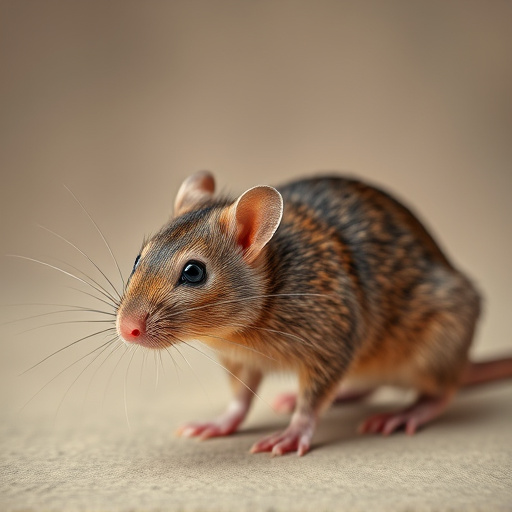
Rodent control in Vail, Arizona is a critical component of pest management strategies designed to protect homes, businesses, and natural habitats from the damage and health risks associated with rodents such as rats and mice. This article delves into the various facets of rodent control within this picturesque town, situated amidst the rugged terrain of the Arizona high country. Vail’s unique environment, with its blend of urban and natural settings, presents a dynamic challenge for effective rodent management.
Introduction
In the scenic landscapes of Vail, AZ, the coexistence of wildlife and human settlements necessitates careful consideration of pest control measures. Rodent control is not merely about eradicating these creatures; it’s a multifaceted approach that involves prevention, monitoring, and long-term management strategies to ensure a balance between ecological preservation and public health safety. This article will explore the intricacies of rodent control in Vail, AZ, its historical context, and its significance within the broader scope of pest management.
Global Impact and Trends
The impact of rodent control extends beyond local boundaries, influencing global agriculture, public health, and urban development. The spread of rodents can carry diseases like leptospirosis, salmonellosis, and Lyme disease, affecting not only humans but also domestic animals. Moreover, rodents are known agricultural pests, capable of causing significant damage to crops, which has far-reaching economic implications. Global trends in urbanization and climate change further influence the prevalence and distribution of rodent populations, necessitating adaptive and sustainable control measures.
Economic Considerations
The economics of rodent control in Vail, AZ, are multifaceted. It involves not only the direct costs of materials, labor, and infrastructure but also indirect costs such as property damage, health care expenses, and lost productivity due to infestations. The market for rodent control services is dynamic, influenced by technological advancements and regulatory changes. Additionally, the role of rodent control in economic systems extends to supporting agricultural industries and protecting public health infrastructure.
Technological Advancements
Technology plays a pivotal role in modern rodent control strategies. From non-lethal repellents and traps to advanced monitoring systems and lethal poisons, the toolkit for controlling rodent populations is ever-expanding. Innovations such as remote detection devices, eco-friendly baits, and integrated pest management (IPM) systems are at the forefront of this field, offering solutions that are both effective and environmentally conscious.
Policy and Regulation
The governance of rodent control in Vail, AZ, is governed by a complex web of policies and regulations. These include federal, state, and local laws that dictate the methods and substances allowed for use, as well as the protection of endangered species and natural habitats. Compliance with these regulations is crucial for licensed pest control operators who work diligently to manage rodent populations humanely and effectively.
Challenges and Criticisms
Rodent control in Vail, AZ, faces several challenges, including resistance to traditional control methods, the protection of non-target species, and public opposition to lethal control measures. Critics argue that these programs may inadvertently harm wildlife or fail to address underlying causes such as food scarcity and habitat destruction. Addressing these challenges requires a combination of public education, scientific research, and the development of more humane and sustainable control methods.
Case Studies
Several case studies from Vail, AZ, illustrate the successful application of rodent control strategies. One notable example is the integration of wildlife-friendly traps with environmental monitoring to minimize ecological impact. These case studies highlight the importance of adaptive management and the need for ongoing evaluation of control measures.
Future Prospects
The future of rodent control in Vail, AZ, is poised for advancement through increased collaboration between scientists, pest control professionals, and policymakers. Emerging trends such as the use of biological control agents and the refinement of IPM practices promise a more sustainable and effective approach to managing rodent populations. Strategic considerations will focus on leveraging technology, promoting public awareness, and ensuring regulatory compliance to safeguard both public health and natural ecosystems.
Conclusion
Rodent control in Vail, AZ, is a nuanced and evolving field that plays a critical role in maintaining the health and safety of its residents while preserving the local environment. This article has highlighted the multifaceted nature of rodent control, its global impact, economic considerations, technological advancements, policy challenges, and future prospects. It underscores the importance of an integrated approach to managing this pervasive issue effectively and responsibly.
FAQ Section
-
What are the most common rodents in Vail, AZ? The most common rodents typically include house mice (Mus musculus) and roof rats (Rattus rattus).
-
How does rodent control affect the ecosystem? Effective rodent control aims to minimize negative impacts on the ecosystem by using targeted, humane methods that protect non-target species and maintain ecological balance.
-
What are some non-lethal rodent control options? Non-lethal options include exclusion techniques, habitat modification, bait stations with non-lethal baits, and live traps for relocation.
-
Are there any environmental regulations affecting rodent control in Vail, AZ? Yes, local, state, and federal regulations govern the use of rodenticides and other control methods to protect water sources, endangered species, and the environment.
-
How can the public help with rodent control efforts? The public can assist by maintaining clean living spaces, properly disposing of waste, sealing entry points, and reporting rodent sightings to local authorities or pest control professionals.
Rodent control in Vail, AZ requires addressing significant health risks posed by common pests like squirrels, rabbits, and mice that transmit diseases such as salmonella, hantavirus, and plague. Natural rodent control strategies, including sealing entry points, maintaining cleanliness, using non-toxic traps, regular inspections, and natural deterrents like peppermint and cayenne pepper, are effective and environmentally friendly. Collaboration with local experts and an integrated pest management approach ensure a safer environment for both humans and pets through proactive measures.
Rodent infestations pose significant health risks for both children and pets in Vail, AZ. These tiny pests can transmit harmful diseases through their droppings, urine, and bites, creating serious concerns for families and pet owners alike. Moreover, rodents gnawing on structural components can cause extensive property damage. Effective rodent control in Vail, AZ, is crucial to mitigating these dangers naturally and safely. This article delves into the most effective natural methods for rodent control, providing practical advice grounded in expert knowledge to ensure a secure and healthy environment for your family and pets.
Rodent Infestations in Vail AZ: Risks to Children & Pets
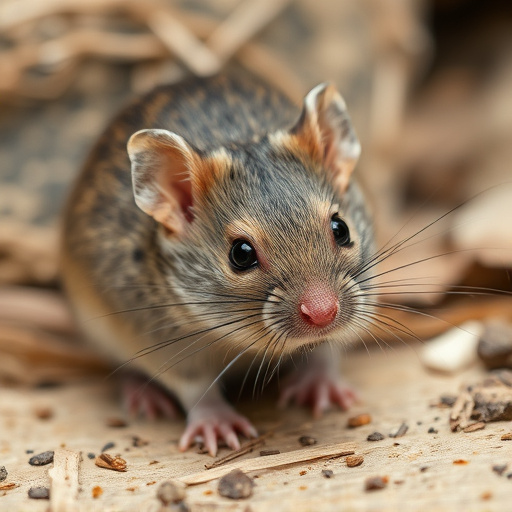
Rodent infestations in Vail AZ can pose significant health risks to both children and pets. These small creatures are not just a nuisance; they carry and transmit various diseases, including salmonella, hantavirus, and plague. In fact, according to the Arizona Department of Health Services, rodent-borne diseases have been on the rise in recent years, emphasizing the need for proactive rodent control measures, especially in residential areas like Vail.
Children and pets are particularly vulnerable due to their smaller stature and increased likelihood of coming into direct contact with contaminated areas or items. Rodents can leave behind droppings, urine, and fecal matter, which can cause respiratory issues when inhaled or lead to skin irritations. Moreover, pet exposure to rodents can result in the transmission of diseases like toxoplasmosis and leptospirosis. Natural rodent control methods in Vail AZ, such as sealing entry points, maintaining cleanliness, and using non-toxic traps, can help mitigate these risks effectively.
Implementing comprehensive rodent control strategies is crucial for safeguarding public health. Property owners should collaborate with local experts to develop tailored plans that address specific infestation challenges. Regular inspections, prompt cleanup of potential habitats, and the use of natural deterrents are key components of an integrated pest management approach. By adopting these proactive measures, Vail AZ residents can ensure a safer environment for their children and pets, minimizing the health risks associated with rodent infestations.
Natural Rodent Control Strategies for Vail AZ Homes & Yards
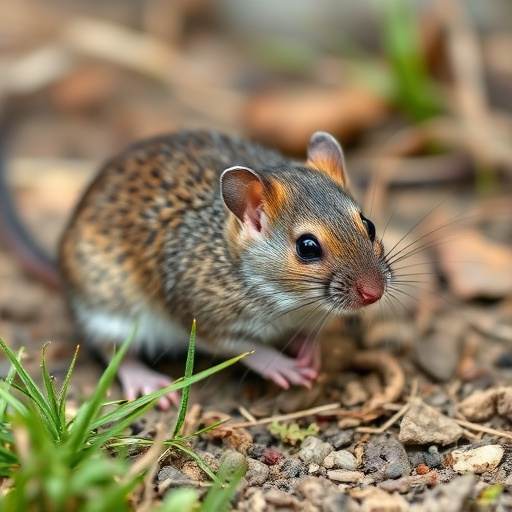
Rodent health risks pose significant concerns for families and pet owners in Vail, AZ. While traditional rodent control methods often rely on chemicals and traps, adopting natural rodent control strategies offers a safer, more environmentally friendly approach for homes and yards in this region. In Vail, where biodiversity and ecological balance are valued, understanding local rodents and their behaviors is the first step towards effective and sustainable management. Common pests like squirrels, rabbits, and mice can quickly transform from harmless visitors to persistent intruders, damaging property and posing health risks through their droppings and potential disease transmission.
Natural rodent control in Vail AZ involves a multi-faceted approach that leverages the environment and predatory species to mitigate infestations. Landscapers and pest management professionals recommend specific tactics tailored to the local ecosystem. For instance, maintaining a well-trimmed lawn and garden reduces hiding spots and food sources, while securing garbage bins with tight-fitting lids minimizes attraction. Encourage natural predators like owls, hawks, and snakes by installing nesting boxes or creating habitats that support these beneficial animals. This ecological balance can significantly deter rodents without the need for toxic chemicals.
Additionally, using plant repellents and essential oils known to repel rodents can be effective. Peppermint, cayenne pepper, and certain herbs like lavender have proven results in driving away pests naturally. Installing physical barriers such as metal mesh fencing around the perimeter of the property and sealing entry points in walls or foundations further strengthens defense mechanisms. Property owners should also stay vigilant, regularly inspecting their homes for signs of rodent activity and addressing issues promptly to prevent infestations from escalating. By combining these natural rodent control strategies, Vail AZ residents can achieve a safe, healthy living environment for both humans and pets while preserving the area’s rich biodiversity.
Rodent control in Vail AZ is a critical consideration for homeowners concerned about the health and safety of their families and pets. The article has highlighted the risks posed by rodent infestations, particularly regarding exposure to diseases and potential damage to homes. By understanding natural control strategies, residents can effectively manage these issues without resorting to harsh chemicals. Key insights include the importance of sealing entry points, maintaining excellent hygiene, and employing eco-friendly methods such as habitat modification and predator introduction. Implementing these practical, naturally-based rodent control Vail AZ techniques empowers homeowners to take proactive measures, ensuring a safer, healthier environment for both children and pets.