
Understanding Rodent Control in Vail, AZ
Rodent control in Vail, Arizona is a critical component of pest management strategies designed to protect homes, businesses, and natural habitats from the damage and health risks associated with rodents such as rats and mice. This article delves into the various facets of rodent control within this picturesque town, situated amidst the rugged terrain of the Arizona high country. Vail’s unique environment, with its blend of urban and natural settings, presents a dynamic challenge for effective rodent management.
Introduction
In the scenic landscapes of Vail, AZ, the coexistence of wildlife and human settlements necessitates careful consideration of pest control measures. Rodent control is not merely about eradicating these creatures; it’s a multifaceted approach that involves prevention, monitoring, and long-term management strategies to ensure a balance between ecological preservation and public health safety. This article will explore the intricacies of rodent control in Vail, AZ, its historical context, and its significance within the broader scope of pest management.
Global Impact and Trends
The impact of rodent control extends beyond local boundaries, influencing global agriculture, public health, and urban development. The spread of rodents can carry diseases like leptospirosis, salmonellosis, and Lyme disease, affecting not only humans but also domestic animals. Moreover, rodents are known agricultural pests, capable of causing significant damage to crops, which has far-reaching economic implications. Global trends in urbanization and climate change further influence the prevalence and distribution of rodent populations, necessitating adaptive and sustainable control measures.
Economic Considerations
The economics of rodent control in Vail, AZ, are multifaceted. It involves not only the direct costs of materials, labor, and infrastructure but also indirect costs such as property damage, health care expenses, and lost productivity due to infestations. The market for rodent control services is dynamic, influenced by technological advancements and regulatory changes. Additionally, the role of rodent control in economic systems extends to supporting agricultural industries and protecting public health infrastructure.
Technological Advancements
Technology plays a pivotal role in modern rodent control strategies. From non-lethal repellents and traps to advanced monitoring systems and lethal poisons, the toolkit for controlling rodent populations is ever-expanding. Innovations such as remote detection devices, eco-friendly baits, and integrated pest management (IPM) systems are at the forefront of this field, offering solutions that are both effective and environmentally conscious.
Policy and Regulation
The governance of rodent control in Vail, AZ, is governed by a complex web of policies and regulations. These include federal, state, and local laws that dictate the methods and substances allowed for use, as well as the protection of endangered species and natural habitats. Compliance with these regulations is crucial for licensed pest control operators who work diligently to manage rodent populations humanely and effectively.
Challenges and Criticisms
Rodent control in Vail, AZ, faces several challenges, including resistance to traditional control methods, the protection of non-target species, and public opposition to lethal control measures. Critics argue that these programs may inadvertently harm wildlife or fail to address underlying causes such as food scarcity and habitat destruction. Addressing these challenges requires a combination of public education, scientific research, and the development of more humane and sustainable control methods.
Case Studies
Several case studies from Vail, AZ, illustrate the successful application of rodent control strategies. One notable example is the integration of wildlife-friendly traps with environmental monitoring to minimize ecological impact. These case studies highlight the importance of adaptive management and the need for ongoing evaluation of control measures.
Future Prospects
The future of rodent control in Vail, AZ, is poised for advancement through increased collaboration between scientists, pest control professionals, and policymakers. Emerging trends such as the use of biological control agents and the refinement of IPM practices promise a more sustainable and effective approach to managing rodent populations. Strategic considerations will focus on leveraging technology, promoting public awareness, and ensuring regulatory compliance to safeguard both public health and natural ecosystems.
Conclusion
Rodent control in Vail, AZ, is a nuanced and evolving field that plays a critical role in maintaining the health and safety of its residents while preserving the local environment. This article has highlighted the multifaceted nature of rodent control, its global impact, economic considerations, technological advancements, policy challenges, and future prospects. It underscores the importance of an integrated approach to managing this pervasive issue effectively and responsibly.
FAQ Section
-
What are the most common rodents in Vail, AZ? The most common rodents typically include house mice (Mus musculus) and roof rats (Rattus rattus).
-
How does rodent control affect the ecosystem? Effective rodent control aims to minimize negative impacts on the ecosystem by using targeted, humane methods that protect non-target species and maintain ecological balance.
-
What are some non-lethal rodent control options? Non-lethal options include exclusion techniques, habitat modification, bait stations with non-lethal baits, and live traps for relocation.
-
Are there any environmental regulations affecting rodent control in Vail, AZ? Yes, local, state, and federal regulations govern the use of rodenticides and other control methods to protect water sources, endangered species, and the environment.
-
How can the public help with rodent control efforts? The public can assist by maintaining clean living spaces, properly disposing of waste, sealing entry points, and reporting rodent sightings to local authorities or pest control professionals.
Rodents like squirrels, rats, and mice frequently visit Vail, AZ backyards due to food sources and shelter needs. Effective rodent control involves understanding their evening/early morning activity patterns, sealing entry points during peak times, maintaining a clean yard, and promptly addressing signs of gnawing or nest building. By identifying specific species' behaviors and habitats, residents can implement targeted strategies, including traps, repellents, and proactive maintenance, to create a comprehensive rodent control plan for their Vail, AZ outdoor spaces.
Vail, AZ residents often face rodent infestations in their backyards and gardens, requiring proactive rodent control measures. This article guides you through understanding local rodent activity, identifying common species, and implementing effective rodent-proofing techniques tailored for your space. We also offer preventative maintenance tips to ensure long-term protection against these pesky intruders. Discover the best strategies for rodent control in Vail, AZ, and reclaim your outdoor sanctuary.
Understanding Rodent Activity in Vail AZ Backyards and Gardens

Rodents, such as squirrels, rats, and mice, are common visitors to backyards and gardens in Vail, AZ. Understanding their activity patterns is crucial for effective rodent control. These creatures are often attracted by food sources like bird seeds, fruit drops, and vegetable scraps left outdoors. They also seek shelter from predators and extreme weather conditions. By identifying where they enter your space, you can better understand their behavior. Look for signs of gnawing on structures, especially around doors, windows, and vents, as well as evidence of nests or burrows.
Knowing when rodents are most active in Vail’s climate is key to successful rodent control. In the evening and early morning hours, they tend to be most active. This knowledge allows you to implement preventive measures like sealing entry points during these times. Additionally, maintaining a clean yard by promptly cleaning up fallen fruit and storing pet food securely can significantly deter rodents from making your backyard or garden their home.
Identifying Common Rodent Species in the Area

Vail, AZ, residents often encounter rodents in their backyards and gardens due to the area’s diverse ecosystem. Identifying the specific rodent species is the first step in implementing effective rodent control measures. Common rodents in this region include squirrels, chipmunks, and various mouse species such as the deer mouse and the house mouse. Each of these has distinct behaviors and habitats, so understanding their preferences can help tailor prevention strategies.
For instance, squirrels are known for their tree-climbing abilities and preference for elevated spaces, while chipmunks tend to burrow and build nests in ground-level areas. Mice, on the other hand, are adaptable and can thrive both indoors and outdoors, seeking shelter in dark, secluded spots. Knowing these habits allows property owners in Vail AZ to target their rodent control efforts accordingly, ensuring more successful prevention and management of rodent infestations.
Effective Rodent-Proofing Techniques for Your Space

Rodent control in your Vail, AZ backyard or garden is a multi-faceted approach combining several effective techniques. Start by identifying potential entry points – gaps in fencing, holes in walls, or openings around pipes and cables. Seal these with sturdy materials like metal mesh or concrete to create a physical barrier. Regularly clean up yard debris, remove standing water, and trim overgrown vegetation as rodents are attracted to these hiding spots.
Consider using traps and repellents as part of your rodent control strategy. For humane options, live traps can capture rodents without harming them, allowing for relocation. Scent-based repellents or ultrasonic devices can also deter rodents from entering your space. Combining these techniques creates a comprehensive rodent control plan tailored to your Vail, AZ outdoor environment.
Preventative Measures and Maintenance Tips for Long-Term Protection
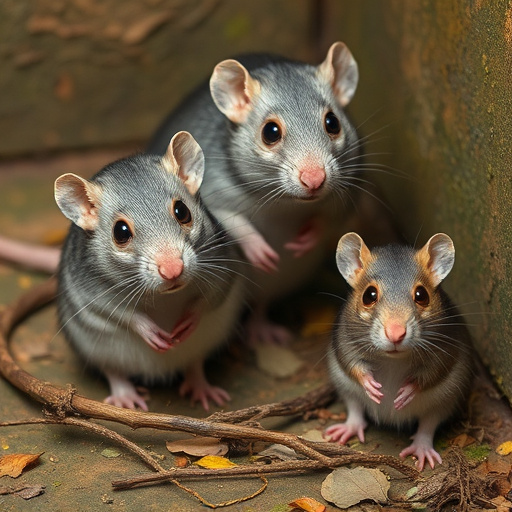
To achieve long-term protection against rodents in your Vail, AZ backyard or garden, preventative measures and regular maintenance are key. Start by securing all potential entry points into your outdoor space. This includes sealing gaps around pipes, cables, and fences with steel wool or caulk. Keep your yard clean and free of clutter, as materials like wood piles or overgrown vegetation can provide hiding spots for rodents. Regularly trim bushes and trees to reduce shelter options.
Additionally, maintain a clean landscape by promptly picking up fruits and nuts that fall from trees, and storing pet food in secure containers. Remove water sources like stagnant ponds or buckets, as these can attract rodents. Regular inspections should be conducted to identify any signs of rodent activity, such as droppings or gnaw marks. Addressing these issues promptly will help maintain a rodent-free environment for your Vail, AZ yard.
Protecting your Vail, AZ backyard and garden from rodents is a multifaceted approach that combines understanding local rodent behavior, identifying specific species, implementing effective proofing techniques, and maintaining preventative measures. By integrating these strategies into your outdoor space, you can achieve long-term rodent control and ensure a peaceful, pest-free environment. Remember, proactive measures are key to keeping rodents at bay, so take action today for a more enjoyable outdoor experience tomorrow.